Here is the short answer to the replace or repair windows energy question: repair first when the window is sound, add a storm window if it is single-pane, and replace only when the frame is rotted, the unit is broken beyond repair, or it no longer opens, closes and locks. Before either, look at the attic and the air leaks. ENERGY STAR ties its sealing-and-insulating savings estimate to attics, floors and basements, not to windows.
Window ads often quote savings percentages for new units. We do not, because the only savings figure this site quotes is ENERGY STAR's estimate for sealing and insulating. What follows is the decision itself, for windows and for exterior doors.
First, Is the Window Really Where the Heat Goes?
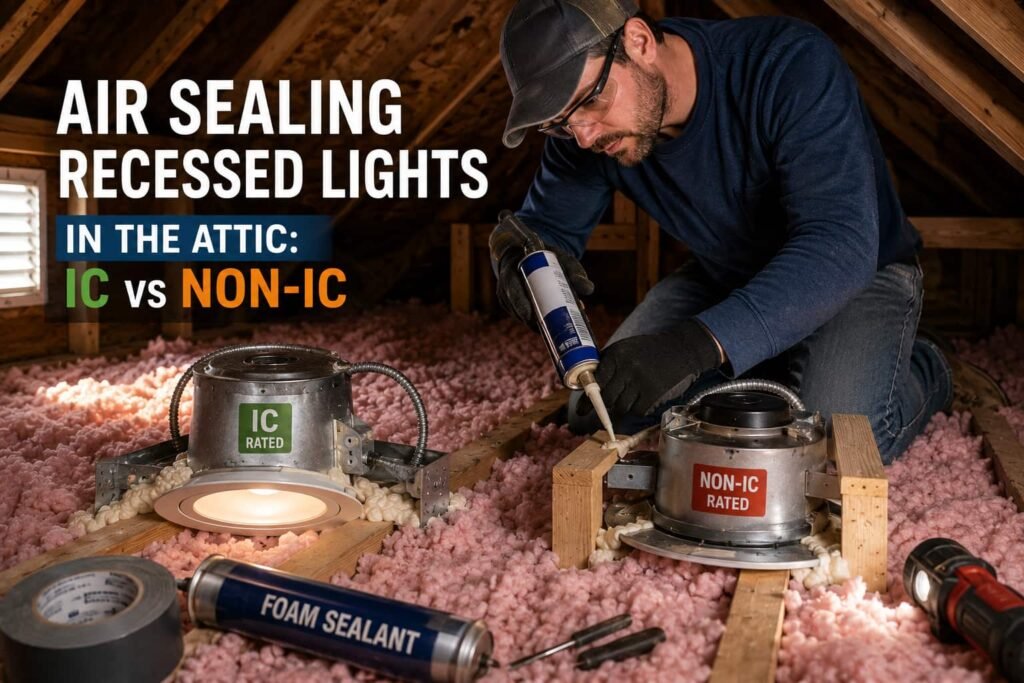
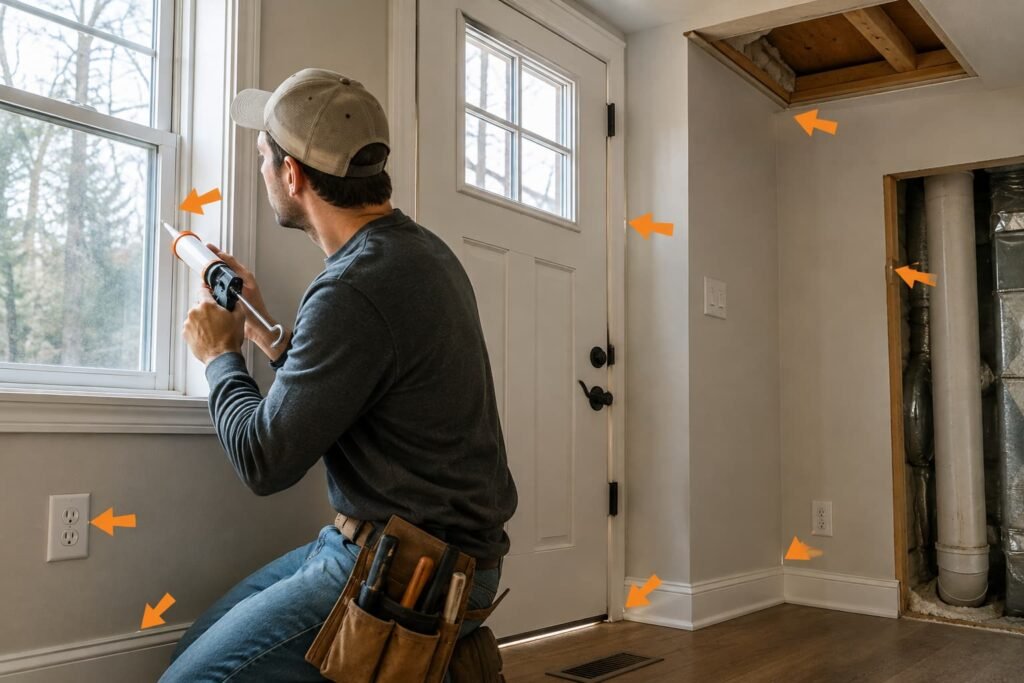
A draft you feel near a window can come from the sash, from the gap between the window frame and the wall, or from somewhere else on that wall, such as an outlet. A smoke pencil or an incense stick on a cold, windy day tells you which. Our guide to finding air leaks with a smoke pencil shows the method, and when not to use the fan version of it.
A draft at the trim rather than the sash often means the gap between the frame and the rough opening was never properly sealed. ENERGY STAR's windows, doors and skylights page (read 2026-09-24) makes the same point from the other side: "Even the best windows, doors, and skylights can be drafty if they are poorly installed." A new window in a leaky opening is still a leaky opening. Our guide to caulk, foam and backer rod covers matching the sealant to the size of the gap.
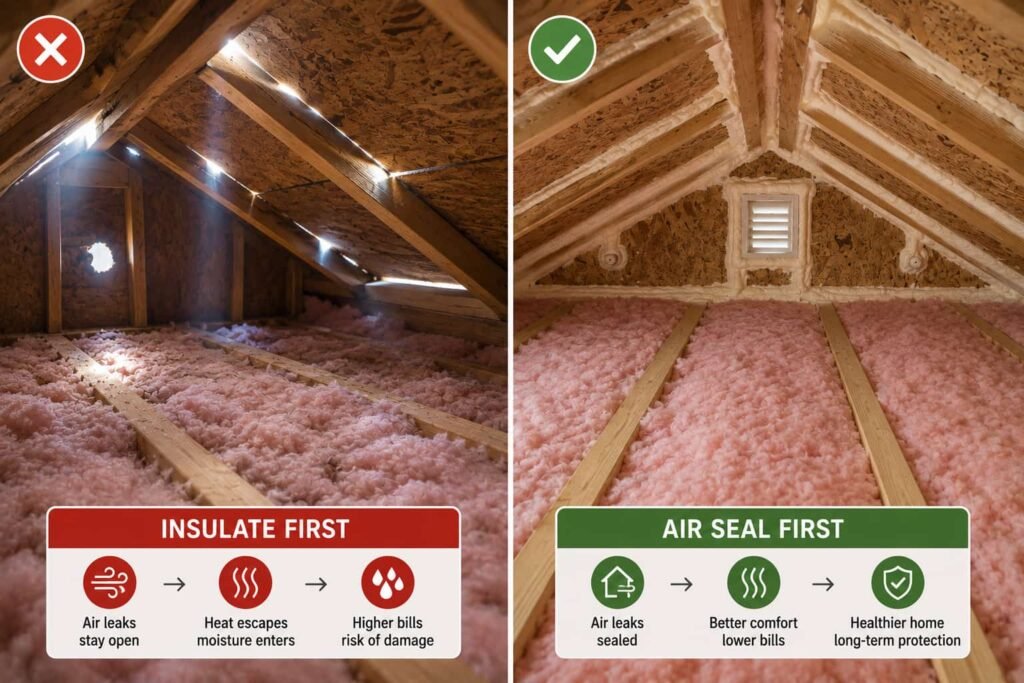
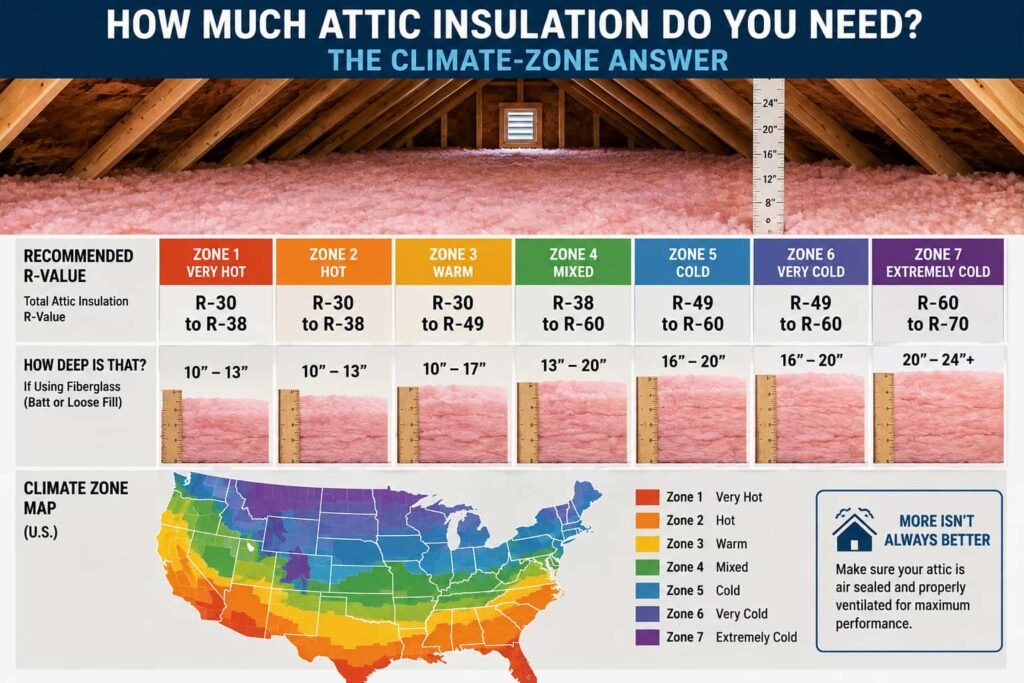
Then look up. ENERGY STAR's Why Seal and Insulate? page (read 2026-09-24) says "EPA estimates that homeowners can save an average of 15% on heating and cooling costs (or an average of 11% on total energy costs) by air sealing their homes and adding insulation in attics, floors over crawl spaces and basements." Windows are not on that list. If your attic is thin, our guide to how much attic insulation you need is a better first stop than a window showroom.
Replace or Repair Windows: Energy Decisions, Rung by Rung
Think of the options as a ladder. Start at the bottom and climb only as far as the window's condition requires.
| Rung | What it fixes | When it fits | Who usually does it |
|---|---|---|---|
| 1. Repair the parts | Cracked glass, failed glazing putty, broken sash cords or balances, locks, small rot | The frame and sash are sound | You for some jobs, a window repair specialist for others |
| 2. Add a storm window or insert | Heat loss through single glass | The primary window works and is in good condition | You or an installer |
| 3. Replace the glass or the sash | Fog between panes, a broken sealed unit | The frame is sound and square | A glass shop or the manufacturer |
| 4. Insert replacement | A failing unit in a sound frame | The old frame is dry, square and solid | A window installer |
| 5. Full-frame replacement | Rotted frames, water damage, a damaged opening | The opening needs repair or inspection | A window installer or contractor, with permits where required |
In a house built before 1978, rungs 1, 4 and 5 can all disturb old paint. EPA's Lead Renovation, Repair and Painting Program page (read 2026-09-24) singles out "surfaces subject to constant friction like doors or window sills" as places old lead-based paint can produce chips and dust, and anyone paid to disturb painted surfaces in a pre-1978 home must be certified. Confirm current rules on EPA's live page.
Rung 1: Repair what is broken
An old wood window is a set of parts: sash, glass, glazing putty, cords or balances, stops and a lock. Most of them can be repaired or replaced one at a time. A window that rattles, will not stay open or has a cracked pane is a repair job before it is a replacement job. Sealing the moving joints of a window with weatherstripping is a separate task, and we leave it out of this guide.
Rung 2: Add a storm window or interior insert
ENERGY STAR's storm windows page (read 2026-09-24) explains that "Exterior storm windows are installed on the outside of your primary windows, and interior storm windows are installed on the inside of your primary windows." Those with low-e glass carry "a microscopically thin, almost invisible, durable coating that reduces heat loss through the window glass when it is cold outside."
Two conditions matter. ENERGY STAR says "Storm windows work best when installed over working primary windows that are in good condition," so this rung sits on top of rung 1, not instead of it. And every certified storm window carries "a label with a map to indicate which part of the country that product is designed for."
Rung 3: Replace the glass, not the window
Fog or haze between the two panes of a double-pane window means the seal around the glass unit has failed. The frame and sash may still be fine. Many windows allow the sealed glass unit or the whole sash to be replaced on its own, and the manufacturer's service department or a local glass shop can tell you whether yours does. Condensation on the room-side surface is a different problem and does not mean the seal has failed.
Rungs 4 and 5: Insert or full-frame replacement
An insert, sometimes called a pocket replacement, sets a new unit inside the existing frame. It disturbs less trim and siding, but the new frame sits inside the old one, so the glass area shrinks a little. A full-frame replacement removes the old frame down to the rough opening. It costs more and disturbs more, but it lets the installer see and repair rot and seal the opening properly.
Either way, the installation decides much of the result. Replacing a bedroom window can also raise code questions, such as the size of the emergency escape opening, and your local building department governs those. Enlarging an opening or changing a header is structural work for a licensed contractor with a permit.
Reading the Label Before You Buy
If you do replace, two numbers on the NFRC label matter most. The U-factor describes how readily heat passes through the whole unit; lower means less heat loss. The Solar Heat Gain Coefficient (SHGC) describes how much of the sun's heat gets through; lower means less solar heat. Some labels also show visible transmittance and air leakage.
ENERGY STAR's windows page says products "must meet U-Factor and, where applicable, Solar Heat Gain Coefficient (SHGC) requirements based on climate zone," under criteria that took effect October 23, 2023. It also says "Every ENERGY STAR window, door and skylight is independently certified and verified to perform at levels that meet or exceed energy efficiency guidelines set by the U.S. Environmental Protection Agency." Criteria change, so confirm the current ones for your zone on ENERGY STAR's live page, or DOE's, before you order. We do not reprint the thresholds here.
Exterior Doors: The Same Ladder, Fewer Rungs
Doors follow the same logic.
- Adjust. A door that no longer closes tight against its weatherstripping often needs its strike plate, hinges or threshold adjusted, not replacing.
- Replace the weatherstripping and the sweep. Worn seals on an exterior door are a common, low-cost fix.
- Replace the door or the whole prehung unit when the slab is warped, rotted or damaged, or the frame has failed. ENERGY STAR certifies doors under the same program as windows.
A door with glass in it follows the window rules for the glass. Changing the size of a door opening is structural work for a licensed contractor.
When Replacement Is the Right Call
Replacement is not a failure of nerve or a sales trick. It makes sense when:
- The frame or sill is rotted, or water is getting into the wall around the window.
- The unit is broken beyond repair, or parts are no longer available.
- The window will not open, close or lock, which is a safety problem as well as an energy one.
- Many windows are failing at once, and repair quotes are running close to replacement quotes.
- A renovation already has the walls or siding open.
In those cases, choose the unit by its label and your climate zone, and choose the installer as carefully as the window.
What Window Replacement Will Not Do
We want to be plain about the limits. New windows will not fix leaks at the attic floor, the rim joist or the ducts. They will not fix a leaky rough opening unless the installer seals it. And the savings percentages in window ads are averages across many houses, not a forecast for yours, which is why we do not repeat them. If you want to know whether windows are your house's weak spot, a walk-through will tell you more than any ad. Our DIY home energy audit walk-through is the place to start.
Frequently Asked Questions
Is it better to repair or replace old windows for energy efficiency?
If the window is sound, repair usually comes first, often with a storm window added. Replacement makes sense when the frame is rotted, the unit is broken beyond repair, or it no longer opens, closes and locks. Either way, the attic and the air leaks usually come before windows.
Do storm windows help single-pane windows?
They add a layer over the existing window. ENERGY STAR says low-e storm windows reduce heat loss through the glass when it is cold outside, and that they "work best when installed over working primary windows that are in good condition."
Can I replace just the glass in a fogged window?
Often, yes. Fog between the panes means the sealed glass unit has failed, not necessarily the frame. Ask the manufacturer or a glass shop whether the glass unit or the sash can be replaced on its own.
What do U-factor and SHGC mean?
U-factor describes how readily heat passes through the window; lower means less heat loss. SHGC describes how much of the sun's heat gets through; lower means less solar heat. ENERGY STAR sets requirements for both by climate zone, so check the current criteria on its live page.
Should I replace windows or add attic insulation first?
In most houses, attic air sealing and insulation come first. ENERGY STAR ties its sealing-and-insulating savings estimate to attics, floors over crawl spaces and basements. A window that is broken, rotted or fogged can come forward as a repair.