For an energy efficient exterior door, fiberglass vs steel is a closer contest than the ads suggest. Both are usually a thin skin over an insulating foam core, so the material matters less than the exact door: how much glass it has, its rated U-factor, the weatherstrip and threshold, and how well it is installed. Wood can look the best but asks the most upkeep. Compare the rating of the specific door and glass you would buy, then weigh durability and maintenance for your climate.
This guide sets out what to compare, in what order, so the choice rests on the door in front of you, not on the material's reputation.
Why the Material Is Not the Whole Answer
Most steel and fiberglass entry doors are built the same way inside. A skin, either steel or fiberglass, wraps a core of foam insulation, with edges (called stiles and rails) around the perimeter where the hinges and lock go. The skin is thin. The foam does most of the insulating.
That means two doors of the same material can perform very differently, and a steel door and a fiberglass door can perform almost the same. The things that change the result most are the ones the material label does not tell you:
- The glass. A slab with a large glass panel loses more heat than a solid one of the same material.
- The edges. The perimeter of the slab is where the skin, core and hardware meet.
- The weatherstrip and threshold. A door that insulates well but closes on a worn seal still leaks.
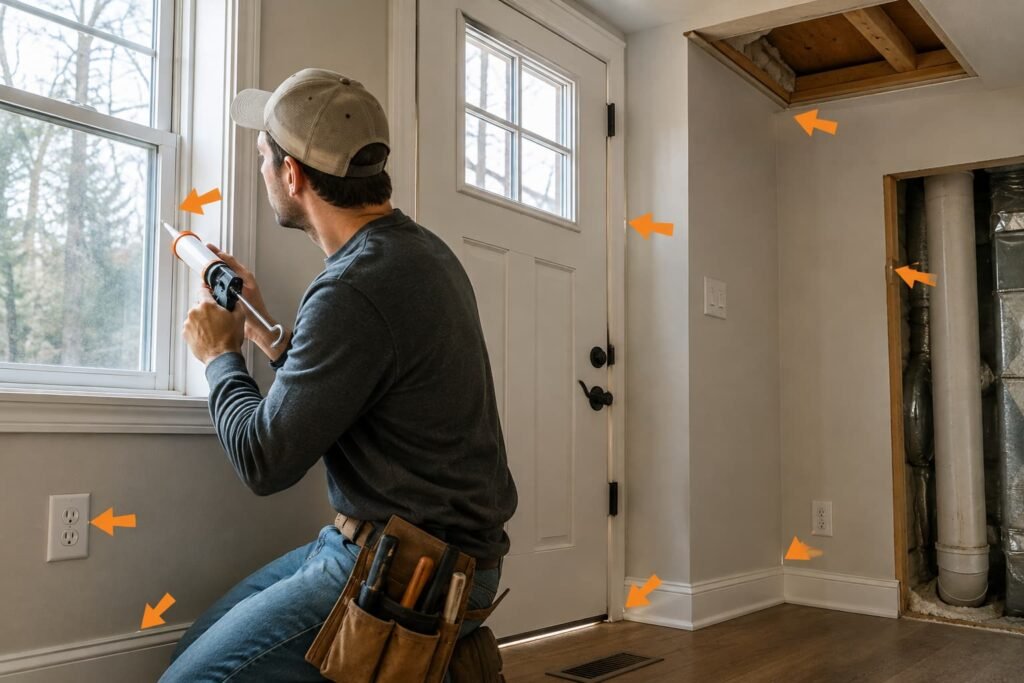
- The installation. The gap between the door frame and the wall is an air leak unless it is sealed.
So the useful question is not "which material is best" but "which door, in which configuration, rated how, installed how."
Energy Efficient Exterior Door, Fiberglass vs Steel: Start With the Rating
Doors carry the same kind of rating as windows. The NFRC rating gives a U-factor, which measures how easily heat passes through the whole door; lower means less heat lost. Doors with glass may also carry an SHGC, the share of the sun's heat that comes through.
ENERGY STAR's page on what makes windows, doors and skylights ENERGY STAR (read September 27, 2026) explains that "performance criteria for doors are based on the amount of glass they have (called glazing level)." In other words, a solid door and a half-glass door are held to different targets, because glass changes the result that much.
For your comparison, ask each seller for the rated U-factor of the exact slab and glass option you are considering, not the best number in the brochure. If a door has no rating for that configuration, you have nothing to compare it with. We will not quote typical values here: they vary by product line and glass, and only the rating for your door applies.
The Glass Changes Everything
Glass in a door is where most of the difference between two otherwise similar doors lives. A full-glass door, a half-glass door, a small decorative light and a solid slab are four different energy products, even from the same maker in the same material.
If you want light at the entry, you have choices that do not all involve the slab. Sidelights and transoms carry their own glass and their own ratings. A smaller light in the door, with a better glass package, can be a middle ground. Whatever you choose, compare the rating that includes the glass.
The glass package matters as it does in a window: double or triple pane, low-E coatings and gas fill. Ask what is in the door you are pricing, and get it in writing.
Durability and Upkeep: Where the Materials Really Differ
This is where the three materials part ways, and it is the part that decides how long the door keeps performing.
Therma-Tru's finishing recommendations for its fiberglass and steel door systems (revision dated September 30, 2009; read September 27, 2026) are a useful window into the differences, because the maker spells out what its warranty expects. For its products, it says steel door systems "should be finished within several days" of installation or exposure, while fiberglass door systems "should be finished within 6 months." It adds that early signs of rust on steel "should NEVER be ignored nor simply primed or painted over," and asks owners to inspect steel doors for finish deterioration "at least annually," more often near salt water or in other harsh exposure.
Other makers set their own terms, so read the warranty and care sheet for the door you are pricing. The pattern, though, is useful: steel depends on its finish to resist rust, and deep scratches through the paint need prompt attention.
Steel, Fiberglass and Wood Compared as Systems
| Factor | Steel | Fiberglass | Wood |
|---|---|---|---|
| Typical build | Steel skin over foam core | Fiberglass skin over foam core | Solid or engineered wood, many constructions |
| Energy rating | Depends on core, glass and edges; compare the rated U-factor | Same | Same; check whether the exact door is rated |
| Finish needs | Finish promptly; rust starts where paint is broken | Maker's finishing window applies | Needs its finish maintained on all surfaces |
| Surface damage | Dents and deep scratches need prompt repair | Check the maker's care guidance | Can check, swell or split with moisture |
| Main question to ask | How are scratches and edges protected? | What does the finish warranty require? | What upkeep schedule does the maker expect? |
Every cell in the energy row says the same thing on purpose. The rating of the door beats the reputation of the material.
Wood: Beautiful, and a Commitment
A wood entry door is a natural material that moves with humidity and weather. That means its finish carries more of the load: a wood door with a failing finish can take on moisture, swell and stop sealing against its weatherstrip. Ask the seller how the door is built, whether it carries an NFRC rating in the configuration you want, and what finishing and maintenance schedule the maker expects to keep the warranty valid.
If you love the look of wood and the door faces weather head-on, ask whether a storm door or a deep overhang is recommended, and what that does to the warranty. Therma-Tru's sheet also warns that a dark painted door "can get extremely hot when exposed to direct sunlight," which is worth knowing for any material if the entry faces the sun.
The Parts That Seal the Door
Whatever the slab, the door seals at its perimeter. Before you decide, look at:
- The weatherstrip in the frame. It should be continuous, compress evenly when the door closes and be replaceable.
- The threshold and door bottom. An adjustable threshold lets you tune the seal as the house moves.
- The corner pads. Small pads at the bottom corners close the gap where the weatherstrip meets the threshold.
- The frame material. A wood frame at ground level can rot; ask what the frame and brickmold are made of.
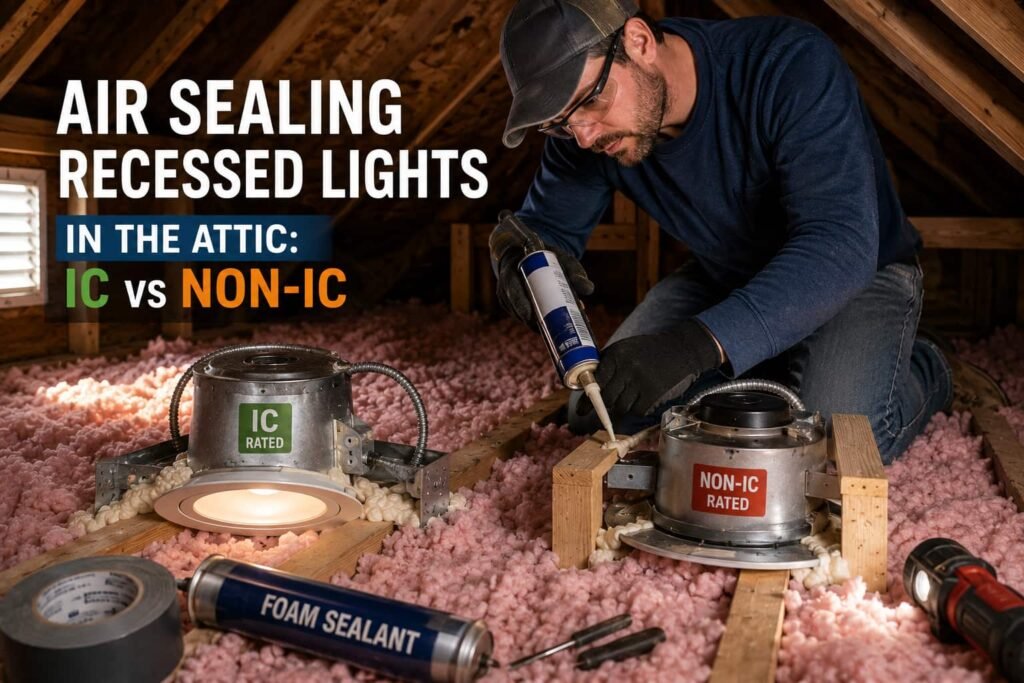
A new door installed in an old frame gap can still leak around the outside. Therma-Tru's sheet recommends adding insulation to the cavity between the opening and the unit "to reduce air infiltration and heat transfer." Our guide to matching caulk, foam or backer rod to the gap covers what goes in that gap. After installation, the smoke test in our guide on how to find air leaks in your house shows whether the new door actually seals.
How to Choose for Your Climate and Your Entry
Put the options through these questions, in this order:
- Which configuration do you want? Solid, small light, half glass or full glass. That sets your rating target.
- What is the rated U-factor for that exact door and glass? Compare these numbers, not material claims.
- How exposed is the entry? Full sun, salt air or driving rain raise the stakes on finish and upkeep.
- What upkeep will you really do? Match the maker's finishing and inspection schedule to your habits.
- What does the warranty require? Finishing deadlines and approved finishes can decide coverage.
- Who installs it, and how is the frame gap sealed? A good slab badly installed is a leaky door.
We are not naming a winner. For some entries, a steel door with a solid slab and a good finish is the right answer; for others, fiberglass or wood fits better. The rating and the upkeep for your door decide it.
Before You Replace the Door at All
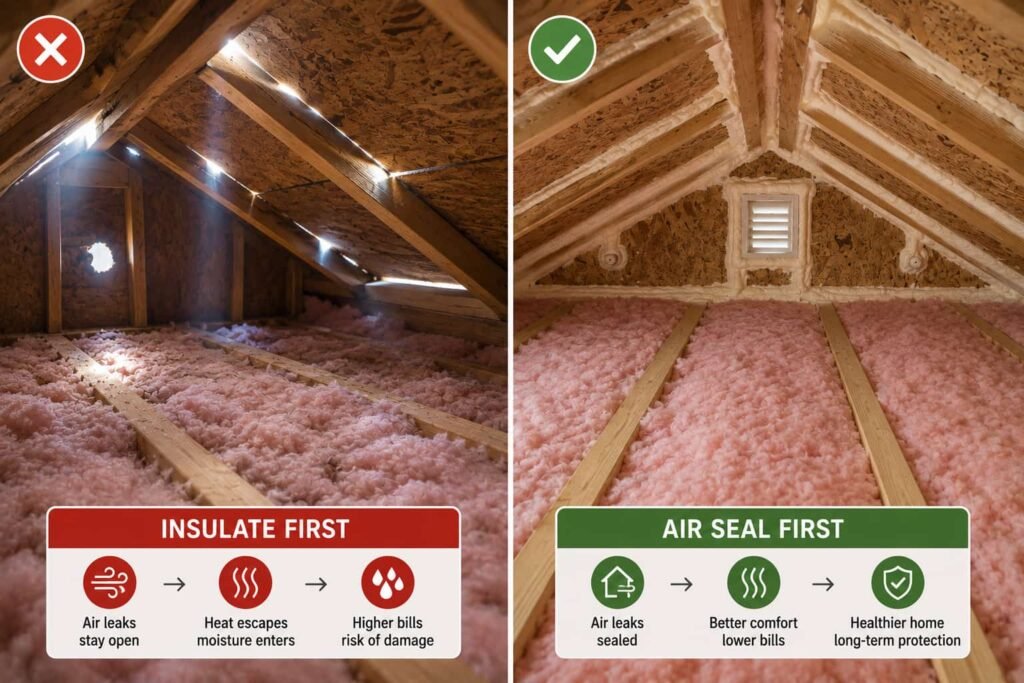
If the draft is the reason for replacing the door, check first whether the door is really the problem. Worn weatherstrip, a threshold set too low or hinges that have sagged can make a sound door leak. And the largest leaks in most houses are usually elsewhere, in the attic and basement. Our guide on how to air seal your house walks through the order.
Frequently Asked Questions
Is a fiberglass or steel exterior door more energy efficient?
It depends on the specific door more than the material. Both are usually a skin over a foam core. The glass, the edges, the weatherstrip and the installation decide most of the result. Compare the rated U-factor of the exact door and glass option you are considering.
Does glass in an exterior door reduce energy efficiency?
Yes. ENERGY STAR sets door criteria by glazing level, meaning how much glass the door has, because glass changes performance. A solid slab and a full-glass door of the same material are different energy products.
Do steel doors rust?
Steel doors can rust where the finish is broken. Therma-Tru's finishing recommendations for its steel doors say they should be finished within several days of installation and that early rust should never be ignored or simply painted over. Inspect the finish at least once a year.
Are wood exterior doors energy efficient?
Some are, depending on how they are built and glazed. Ask whether the door carries an NFRC rating in the configuration you want. Wood also depends on its finish to keep out moisture, which affects how well it keeps sealing over time.
What matters more than door material for drafts?
The weatherstrip, threshold, corner pads and the seal between the frame and the wall. A well-rated door installed with an open gap around the frame, or closing against a worn seal, will still leak.