When you read a window replacement quote, what to look for is everything that sits behind the total: the exact product line and glass for each opening, its NFRC ratings, the installation method, what happens to the old frame, trim and gaps, what the crew does if they find rot, both warranties, and the payment and cancellation terms. Three quotes rarely list the same things. Put them on one sheet, opening by opening, before you compare prices.
This guide shows you how to build that sheet, what each line means, and which gaps are worth a phone call.
Why Three Quotes Never Match
One company sends a single page with a total. Another sends twelve pages with brochures. A third lists every window but calls the same product by a name you cannot find anywhere else. None of this is unusual, and it makes the totals almost useless on their own.
ENERGY STAR's page on residential windows, doors and skylights (read September 27, 2026) is direct about it: different dealers may quote different prices for the same product. The page also says the cost of complete window replacement "can vary" and advises getting quotes "from several installers."
The price differs because the scope differs. One quote includes new exterior capping and interior trim; another reuses the old trim. One includes hauling away the old units; another does not mention it. One assumes an insert; another quotes a full tear-out. Until those are on the same line, you are comparing different jobs.
Window Replacement Quote: What to Look For in the Window Schedule
Start with a sheet that has one row per window opening. Label each opening the same way on every quote (for example, "kitchen over sink" or "bedroom 2, left"). Then fill in these columns from each quote:
| Column | What to write down | Why it matters |
|---|---|---|
| Opening | Room and position | Makes the quotes line up |
| Size | Rough width and height | Checks everyone measured the same window |
| Style | Double-hung, casement, slider, picture | Different styles are different products |
| Brand and series | Maker and exact product line | "Vinyl window" is not a product |
| Frame material | Vinyl, fiberglass, wood, clad wood, aluminum | Affects durability and upkeep |
| Glass package | Double or triple pane, low-E coating, gas fill | Drives the energy ratings |
| U-factor and SHGC | From the NFRC rating for that unit | The comparable energy numbers |
| ENERGY STAR | Certified for your climate zone, yes or no | The label is zone-specific |
| Install method | Insert or full-frame | Changes labor, trim and scope |
If a quote leaves a column blank, that is your first question for that company. A quote that cannot name the product line cannot be compared with one that does.
The Product Lines: Names, Glass and Ratings
Window makers sell several series at different price points, and the brand name alone tells you little. Ask each company for the exact series and glass package for every opening.
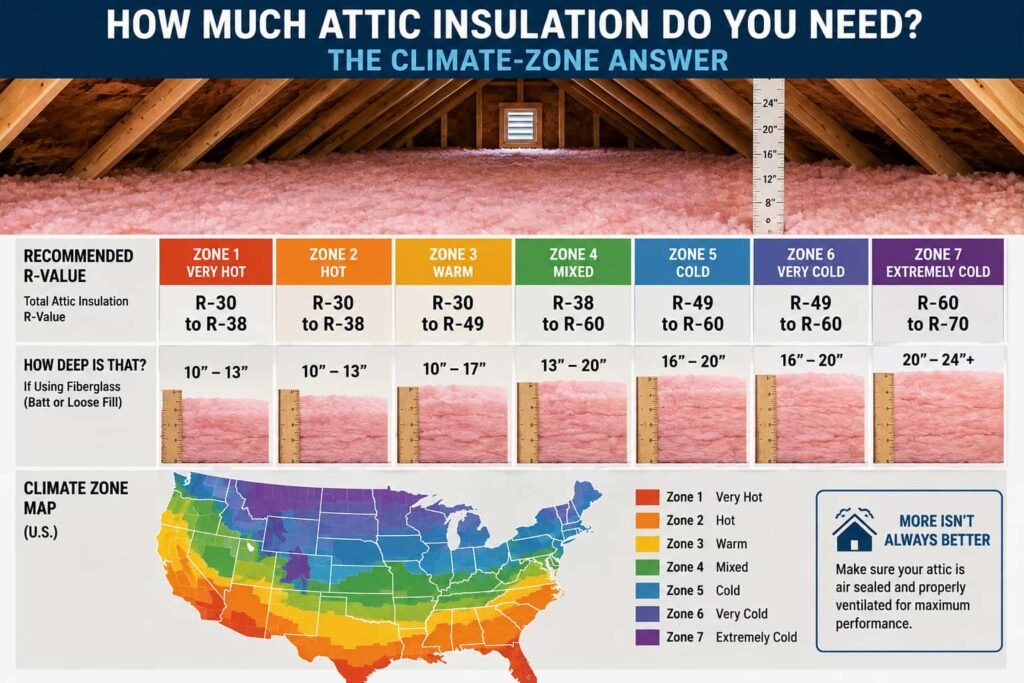
The energy numbers come from the NFRC label. U-factor measures how easily heat passes through the whole window; lower keeps more heat in. SHGC, the solar heat gain coefficient, measures how much of the sun's heat comes through; whether you want it low or higher depends on your climate. ENERGY STAR notes that windows, doors and skylights "must meet U-Factor and, where applicable, Solar Heat Gain Coefficient (SHGC) requirements based on climate zone." So "ENERGY STAR certified" on a quote only means something if it is certified for your zone.
ENERGY STAR also suggests you "save ENERGY STAR and NFRC label as documentation." Ask for those ratings in writing now, per window, so you can check the labels on delivery day against what you were quoted.
The Installation Scope: What the Crew Will Actually Do
This is where quotes differ most, and where a low total often hides the gap. For each quote, find the answer to every line below:
- Removal and disposal. Are the old units taken away, and is that included?
- Install method. Insert (the new window sits inside the old frame) or full-frame (the old frame comes out to the rough opening)?
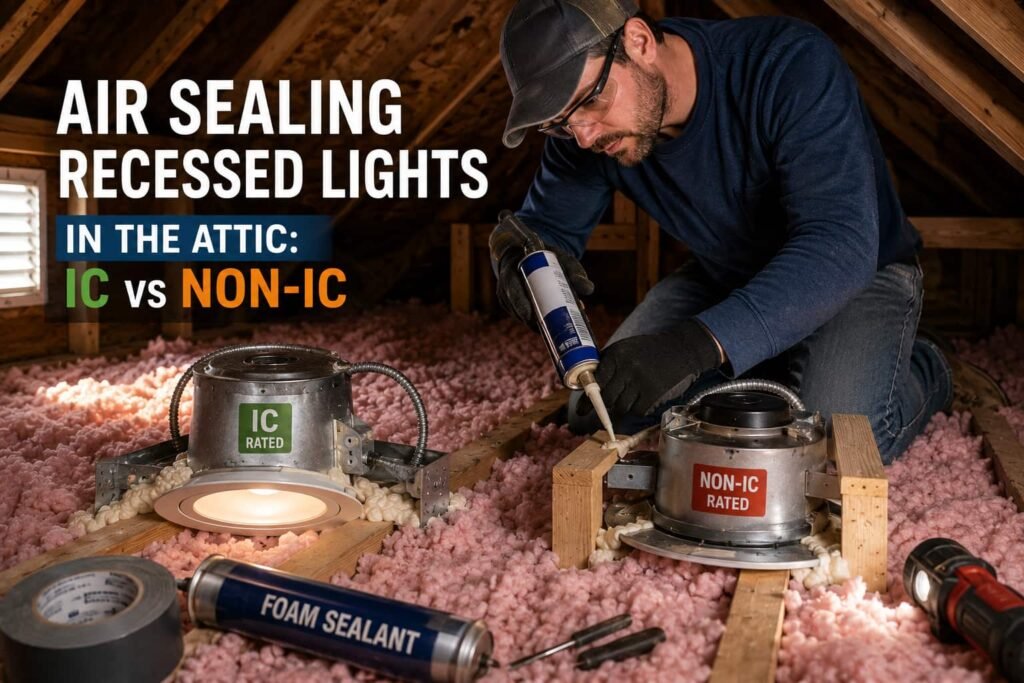
- The gap around the frame. What goes into it? A window-and-door foam or backer rod and sealant makes an air seal. Loose fiberglass alone does not stop air. Our guide to matching caulk, foam or backer rod to the gap explains the difference.
- Flashing and exterior sealant. How is water kept out at the head and sill?
- Exterior trim. Is the old trim reused, wrapped in metal capping, or replaced?
- Interior trim. Reused, replaced, painted, or left for you to finish?
- Old sash-weight pockets. On older double-hung windows, are they filled and sealed?
- Permits. Does your town require one, and who pulls it?
- Instructions. ENERGY STAR says certified windows, doors and skylights are required to have installation instructions packaged with the product, and tells buyers to stick to the manufacturer's instructions. Ask whether the crew follows them.
If a line is missing, ask for it in writing. A verbal "we always do that" is not on the page you sign.
Houses Built Before 1978: The Lead-Safe Line
If your house was built before 1978, painted window parts may contain lead. ENERGY STAR states that "any contractor or landlord replacing a window must use lead-safe work practices to prevent lead dust hazards," and that contractors "must provide a brochure to homeowners before beginning a window, door, or skylight replacement."
Look for that on the quote. Ask whether the company and the crew doing the work are certified for lead-safe renovation under EPA rules, and how they contain and clean up dust. A quote for an older house that says nothing about lead is missing a line, not saving you a cost.
The Price Breakdown and the Rot Clause
ENERGY STAR advises that when interviewing contractors, you "ask them to break down the price quote by labor and materials." With that split, you can see whether one quote is higher because of the windows or because of the work.
Then find the change clause. Rot in a sill or frame often stays hidden until the old window comes out. Every contractor handles this differently: some include a set amount of repair, some bill by the hour, some stop and quote on the spot. Look for the terms in writing before work starts: how rot is priced, who approves extra work, and whether the crew stops and asks first. A job that is cheap until the first frame comes out is not cheap.
Ask the same questions of every company, so you compare answers rather than sales pitches.
Two Warranties, Not One
Almost every window job carries two separate warranties, and quotes often blur them.
- The product warranty comes from the window maker. It covers the unit: the frame, the glass seal, the hardware. Read what it covers, for how long, and whether it transfers if you sell the house.
- The workmanship warranty comes from the installer. It covers how the window went into the wall: square and level, sealing, flashing, trim.
ENERGY STAR adds a point worth checking: "Some warranties require that you use an installer certified by the manufacturer." Ask each installer whether they are certified for the brand they are quoting, and whether that affects the product warranty.
A leak at the frame a year later is usually a workmanship claim. If the installer's warranty is short or missing, that is part of the price, even if it is not written as one.
Payment Terms and Your Right to Cancel
Read the payment schedule: how much is due at signing, at delivery and at completion, and what "completion" means. A final payment tied to a walk-through gives you a chance to check every window before the job closes.
If you sign at your kitchen table, federal law may give you time to change your mind. The Federal Trade Commission's page on the Cooling-Off Rule (read September 27, 2026) says the rule covers many sales made at your home, and that "your right to cancel for a full refund lasts until midnight of the third business day after the sale." The seller must give you a dated contract or receipt and two copies of a cancellation form. The rule has exceptions, including sales made entirely online, by mail or by phone, and emergency sales. Your state may add its own protections; your state attorney general's consumer office can tell you what applies.
A salesperson who offers a price that is only good "if you sign tonight" is asking you to skip the comparison this guide is for.
The Number We Will Not Give You
You will not find a price per window in this article, and that is deliberate. The price depends on the variables in your sheet: the number and size of openings, the style, the series and glass, insert or full-frame, trim, access, rot, lead-safe work and where you live. A general figure would not fit your house, and a quote is only useful when it is measured against your own openings.
The same goes for savings. If a quote promises a percentage off your energy bill, ask where it comes from and whether it is a national average or a calculation for your house. Those are different claims.
Before You Ask for Quotes
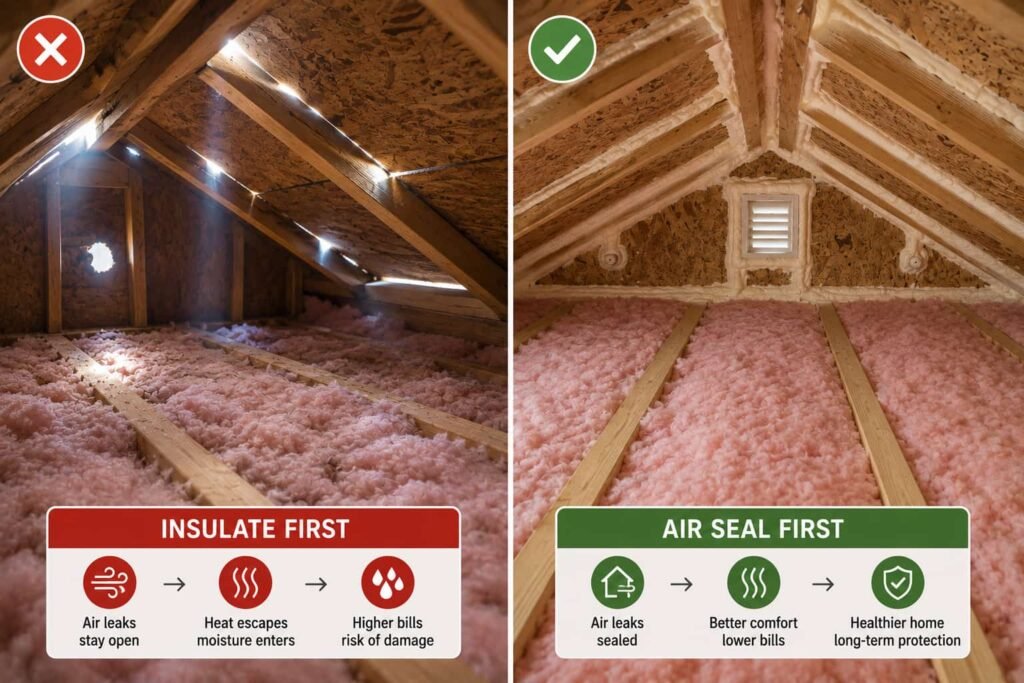
Windows are the part of the house you can see, which is why they get replaced first. The biggest air leaks in most homes are usually elsewhere: the attic top plates, plumbing and wiring holes, the rim joist. A DIY home energy audit shows where your heat actually goes, and our guide on how to air seal your house covers the fixes that come before glass. If the windows are still the problem after that, your quote sheet will be ready.
Frequently Asked Questions
What should be included in a window replacement quote?
For each opening: the brand and exact series, style, frame material, glass package, NFRC U-factor and SHGC, and whether it is ENERGY STAR certified for your climate zone. Then the install method, removal and disposal, how the gap is sealed, trim work, permits, lead-safe practices for older homes, how rot is handled, both warranties, and the payment schedule.
Why are window replacement quotes so different?
Because they usually describe different jobs. The product series, glass, install method, trim work and what is included for rot or disposal all vary. ENERGY STAR also notes that different dealers may quote different prices for the same product.
What is the difference between the product warranty and the workmanship warranty?
The window maker's product warranty covers the unit itself. The installer's workmanship warranty covers how it was installed. Drafts at the frame and water at the sill are usually workmanship questions.
Can I cancel a window contract after signing?
If the sale was made at your home, the FTC's Cooling-Off Rule may let you cancel for a full refund until midnight of the third business day after the sale, with exceptions. Check the rule and your state's consumer office for what applies to your contract.
How many window quotes should I get?
ENERGY STAR advises getting quotes from several installers. The number matters less than making each one detailed enough to compare line by line.