Fog between the panes means the seal on the insulated glass unit has failed, and it will not wipe off because it is inside the glass. Fogged double pane window repair comes down to three routes: defog the unit (it clears the view but leaves the seal broken), replace only the sealed glass or the sash (the lasting fix when the frame is sound), or replace the whole window. Most homeowners do not need a new window. Check the warranty first.
First, Confirm the Fog Is Really Between the Panes
Before you pay for anything, spend one minute on the wipe test. Wipe the inside surface of the glass with a dry cloth. Then go outside and wipe the outside surface. If the cloudiness is still there after both, the moisture is sealed between the two panes. That is a failed seal.
If the fog wipes off the room side, you do not have a broken window. You have moisture in the room condensing on cold glass, which is a different problem with different fixes, and a new glass unit will not solve it. If it wipes off the outside on a cool morning, that is dew, and it is normal.
Andersen puts it plainly in its Window Condensation 101 guide (read September 23, 2026): condensation between the two panes of glass is "a sign that the seal on your window has failed," and once it starts, "you won't be able to prevent it from forming." In other words, there is no fix you can apply from the room side.
Why the Seal Fails and What Actually Broke
A double pane window is really two parts: the frame and sash you open and close, and the insulated glass unit (IGU) held inside the sash. The IGU is two sheets of glass sealed to a spacer bar around the edge. The space between the panes is sealed and often filled with argon or krypton gas. Inside the spacer is a desiccant, a drying material that soaks up any moisture that gets in.
Seals fail with age, sun, temperature swings, and movement in the frame. Once the edge seal lets air through, damp air leaks in, the gas leaks out, and the desiccant slowly saturates. At first you may see fog only on cold mornings or when the sun hits the glass, then it clears. Over time it stays.
Here is the useful part: only the glass unit failed. The frame, the sash, the hardware and the way the window was installed may all be fine. That is why a fogged window is usually a glass problem, not a window problem.
Option 1: Defogging, Which Clears the View but Not the Seal
Defogging services drill small holes in one pane, flush the space with a cleaning solution, dry it, and cap the holes, often with a small vent. When it works, you can see through the window again.
Be clear about what you are buying. Defogging does not restore the factory seal and does not put the gas fill back. The unit is now vented to the air rather than sealed. It looks better; it does not insulate like a new sealed unit. If moisture sat in the unit long enough to leave white mineral streaks or etch the inner surfaces, cleaning may not remove them.
Defogging makes sense in a narrow set of cases: the window is otherwise sound, the fog is the only complaint, a replacement unit is hard to get for that size or shape, and you accept a cosmetic result. Ask the company in writing what happens if the fog returns. Also do not drill a unit that is still under warranty, because modifying it can end the claim.
Option 2: Replace Only the Glass Unit or the Sash
For most fogged windows, this is the fix we would look at first. A glass shop measures the existing IGU, orders a new sealed unit made to that size, removes the old one from the sash, and sets the new one in its place. The frame stays in the wall, the trim is not disturbed, and the new unit arrives with a fresh seal and, if you order it, a gas fill and low-E coating.
Some manufacturers also sell a complete replacement sash for their own window lines. On a double-hung or casement window, a new sash can be simpler than swapping the glass, because it comes with the glass already sealed in. Look for the manufacturer's name on a label, on the spacer bar between the panes, or in your purchase paperwork, then ask that manufacturer or a dealer whether sashes are still made for your model.
Custom glass units are made to order, so expect a wait between measuring and installing. Ask the shop for its lead time. This route suits a window whose frame is solid, opens and locks properly, and has no rot.
What a Glass Shop Needs Before It Can Order the Unit
This is where a replacement job can go wrong: the new unit arrives and something about it does not match. Before you get a quote, find out or ask the shop to confirm each of these:
- Glass size, not opening size. The glass runs past the visible opening and under the stops, so the edge-to-edge dimension is larger than what you see.
- Overall thickness. The whole unit, pane to pane, has to fit the sash channel.
- Tempered or laminated glass. Tempered glass usually carries a small permanent mark etched in one corner. Codes based on the International Residential Code require safety glazing in certain locations, such as in and near doors and near tubs, but adoption varies by state and city, and your local building department governs. A shop should never swap safety glass for plain glass.
- Low-E coating and gas fill. A shop can check for a coating with a meter.
- Grids between the glass, tint or obscure glass. These are built into the unit and must be ordered.
Getting these right is what makes a replacement unit look like it came with the window.
Option 3: Replace the Whole Window
Replacing the window is the right call when the fog is a symptom of a window that is failing overall. Signs point that way when the sash is rotted or soft, the frame is cracked or out of square, the window will not stay open or lock, several units in the same house failed together, or the manufacturer no longer supports the model and no shop can match the glass.
A new window also changes more than the glass: new frame, new sash seals and a new installation. That is also where the risk is. A new window installed poorly can leak air at the frame even with perfect glass, so the installation matters as much as the product.
If your main reason for replacing is the heating bill rather than the view, pause first. Replacement is the most expensive of the three routes, and a fogged unit may not be where your house loses the most heat. The next section explains why, and what to check before you commit.
Is the Fogged Window Costing You Money?
Some, but we cannot tell you how much. A failed seal means the gas fill has leaked out and damp air has leaked in, so the unit insulates worse than it did new. We found no public source that puts a number on that loss for a typical fogged window, and the real answer depends on the glass, the gas, the coating, the window size and your climate. So we will not give one.
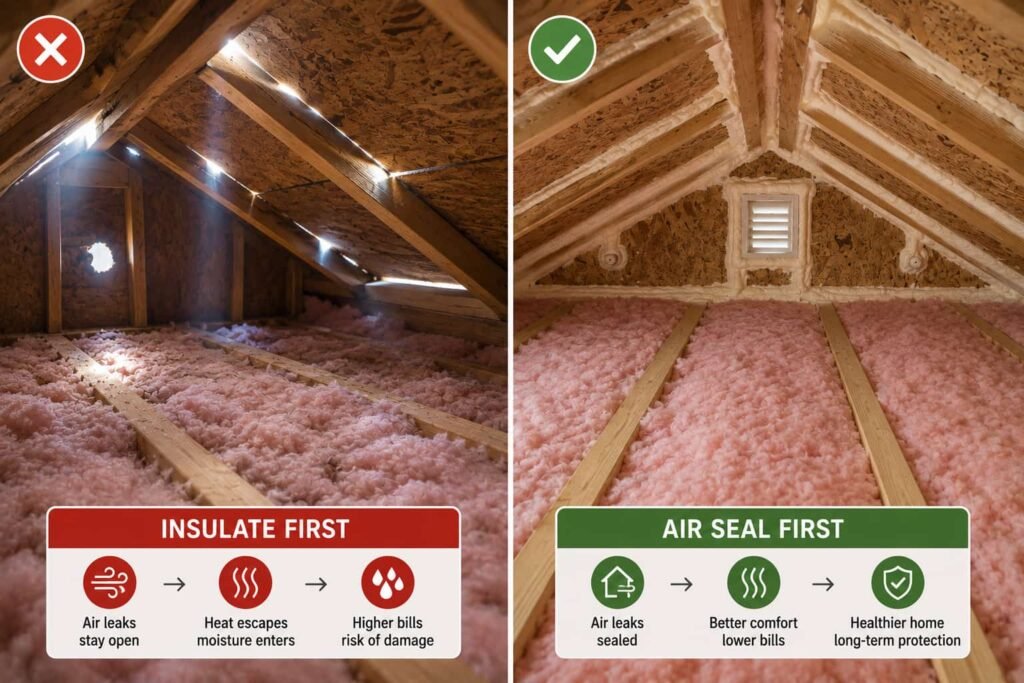
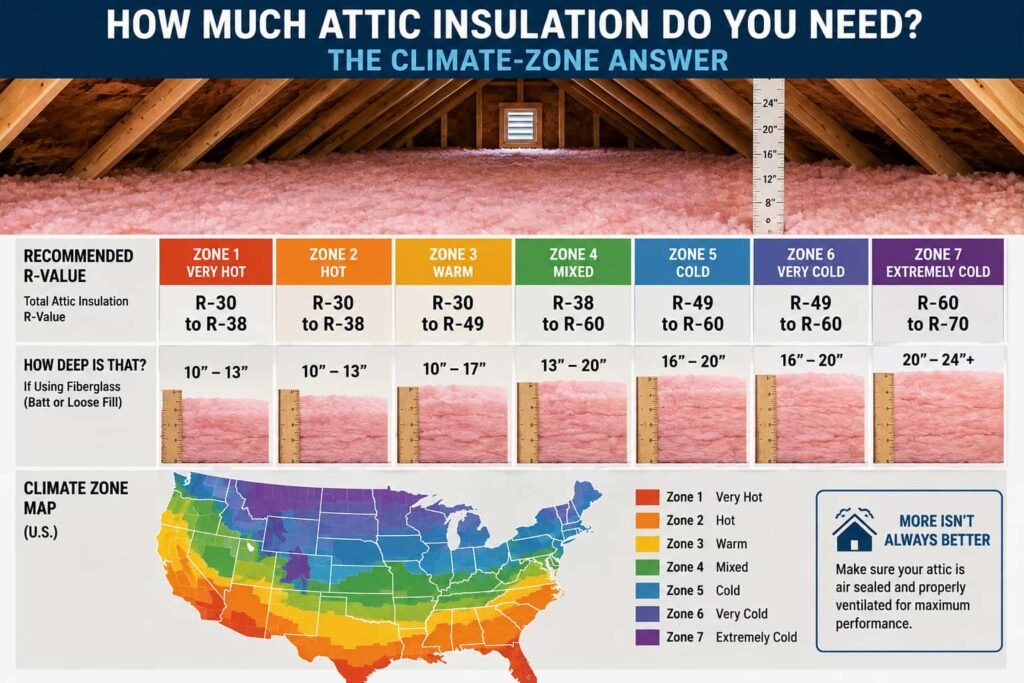
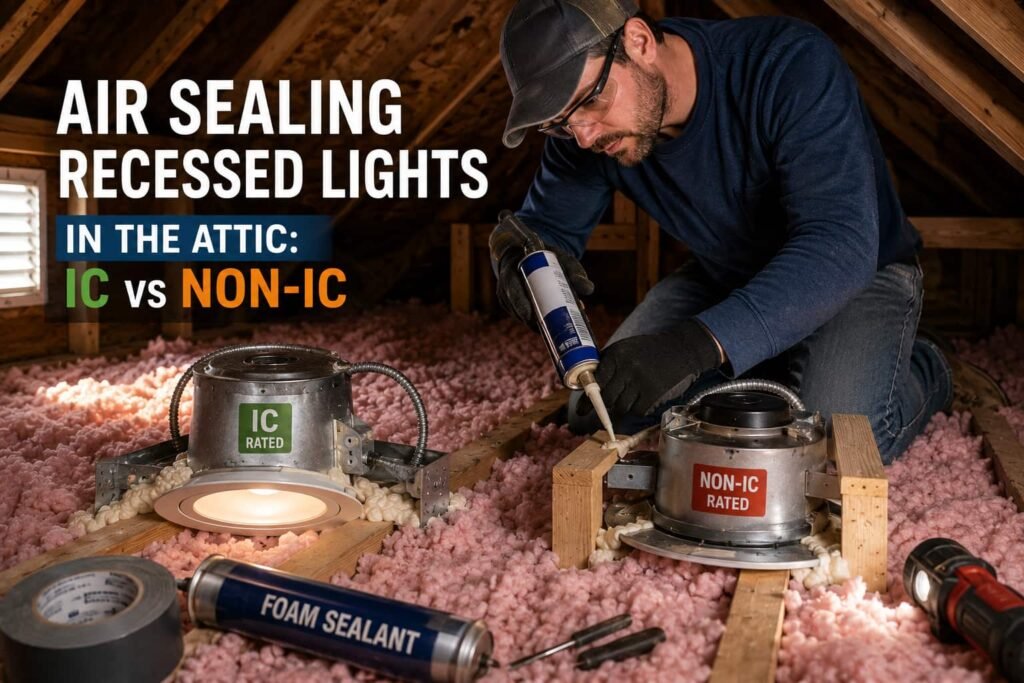
What we can say is where the energy case usually lives. ENERGY STAR's Seal and Insulate page (read September 23, 2026) says sealing air leaks and adding insulation can "provide up to a 10% savings on your annual energy bills," and names sealing leaks and adding insulation in the attic among the bigger jobs. A fogged unit still has two panes of glass. An open gap at the attic top plates is a hole.
If energy is the worry, run a DIY home energy audit to find where your house loses heat before you spend on windows. For a measured answer, a blower door test shows how leaky the whole house is, which tells you whether the windows are even the problem.
The Decision Table for Fogged Double Pane Window Repair
Use this to match your situation to a route.
| Your situation | Route to look at first | Why |
|---|---|---|
| Window is under warranty | File a warranty claim | Do not modify the unit before the maker has seen it |
| Frame and sash are sound, only the glass is fogged | Replace the glass unit or sash | Fixes the actual failure, keeps the frame |
| Fog is the only complaint and a new unit is hard to get | Defog, or live with it | Cosmetic result, no restored seal |
| Sash rotted, frame damaged, or many units failed | Replace the window | The glass is not the only thing failing |
| Main goal is lower bills | Audit and air seal first | Find the biggest leaks before you pay for glass |
For the warranty row, dig out the invoice, the installation date and the product name before you call. Many window makers warrant insulating glass separately from the frame, and the terms differ by product line and purchase date, so read your own paperwork rather than relying on a general figure. Start with the dealer or installer who sold the window if you know who it was.
Where the DIY Line Is
Swapping a glass unit is within reach for a careful homeowner on some windows, usually a ground-floor sash where the glass is held by removable stops (sometimes called beads) on the room side. The general pattern is to remove the stops, lift the old unit out, and set the new one on setting blocks before refitting the stops. Follow the window manufacturer's instructions for your model, because vinyl, wood and aluminum sashes hold glass differently.
Know when to hand it off. Call a glass shop when the stops are on the outside of an upper-story window, when the unit is large or heavy, when the glass is tempered or laminated, or when the sash is glazed with sealant rather than stops. Wear cut-resistant gloves and eye protection whenever you handle loose glass. A dropped sealed unit can break without warning.
If you replace a window and still feel cold air at the edges afterward, the gap is around the frame, not in the glass, and our guide on how to air seal your house where the leaks actually are covers where to look.
FAQ
Can I fix a fogged double pane window myself?
You can replace the glass unit yourself on some ground-floor windows with removable interior stops, if you order the correct unit. You cannot restore the original seal on the fogged unit itself. DIY defogging clears the view at best and leaves the seal broken.
Will fog between the panes go away on its own?
No. It may come and go with temperature at first, but once the seal has failed, moisture keeps getting in. Andersen's own guidance is that once condensation forms between the panes, you cannot prevent it from forming.
Can you replace just the glass in a double pane window?
Yes. A glass shop can order a new insulated glass unit sized to your sash and install it in the existing frame. Some manufacturers also sell replacement sashes for their own window lines.
Is a fogged window covered by warranty?
Often, if it is still within the glass warranty period. Coverage depends on the manufacturer, product line and purchase date, and labor may or may not be included. Check your paperwork before you drill or replace anything.
Is it safe to leave a fogged window as it is?
A fogged unit is usually a visibility and comfort issue rather than a safety hazard. Replace it when the view bothers you, when the warranty is about to lapse, or when you are already replacing that window for other reasons.